
- Individuals & Families
- Businesses
- Brokers

With winter on its way out, you may be ready for some spring cleaning.
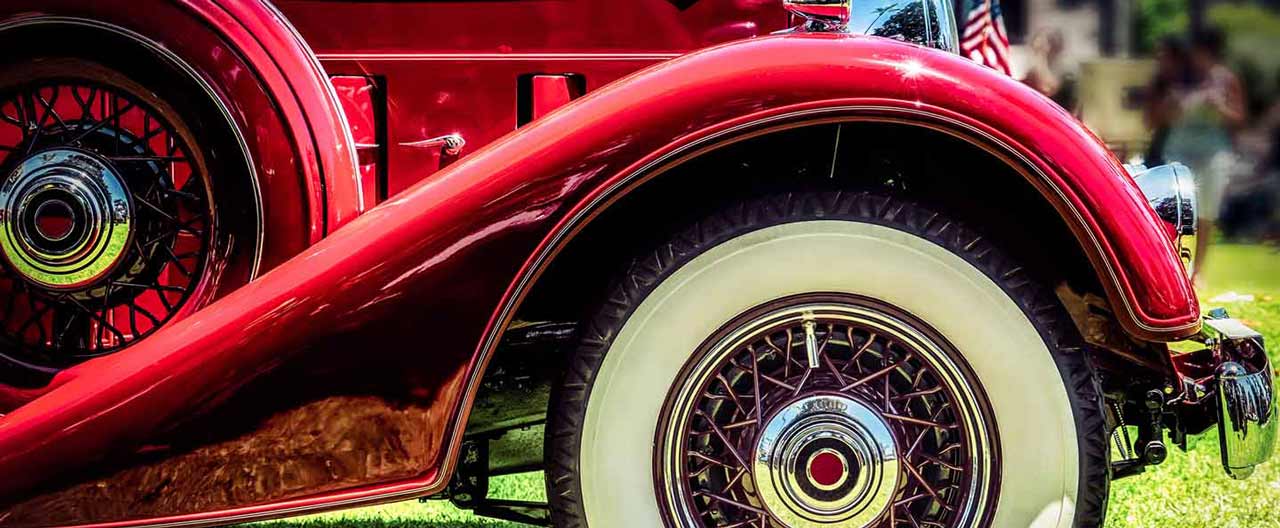
Make sure you protect your classic cars from damage or additional wear and tear.

Keep your important papers and small valuables away from burglars, fire or natural disaster.
For over a hundred years, we’ve offered unparalleled stability and protection for small boats, yachts, luxury mega-yachts, and more.

Here are some things you can do to assist firefighters and minimize the damage to your home.

At their worst, disputes between professional service firms and their clients can lead to costly lawsuits.
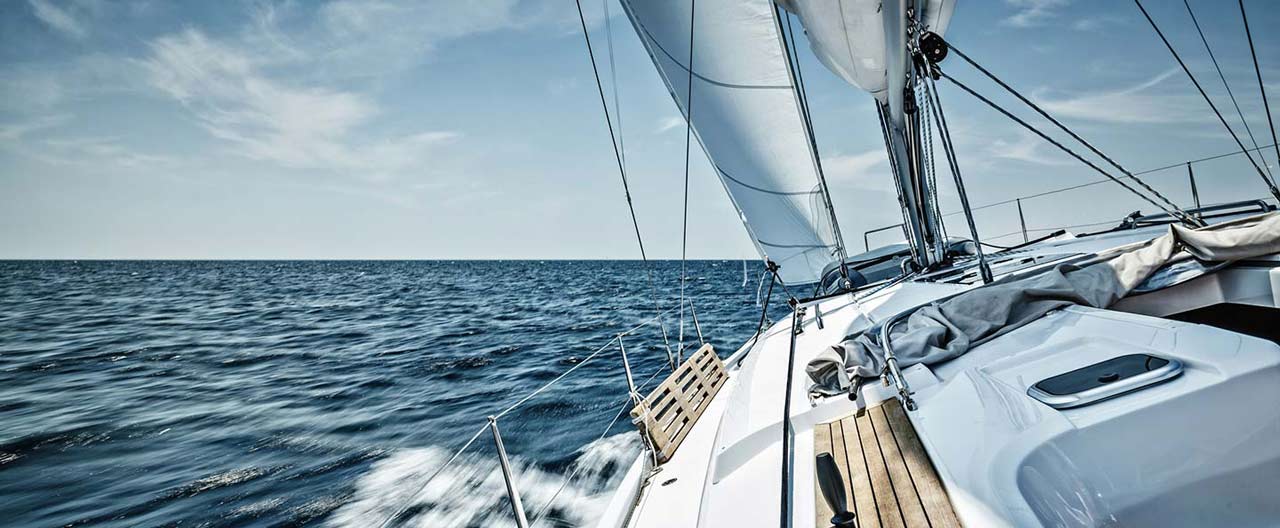
The climate experts at the National Oceanic and Atmospheric Administration (NOAA) continue to predict active Atlantic hurricane seasons in the coming years. Therefore, boaters in hurricane-prone regions need to take steps to keep their vessels safe from harm or at least minimize potential damage and injuries. To help, we’ve put together a few important tips:
1. Move the boat if you can. Protect it if you can’t.
- If your boat can be trailered, haul it out of the water and move it to a safe location as far from tidal waters as possible and away from trees that could topple. Remember to pull the drain plug and remove electronics on board.
- If it needs to stay in a marina berth, double all lines and rig-cross spring lines fore and aft, and attach lines high on pilings to allow for tidal rise or surge. Secure the vessel on the offshore side to solid pilings and make sure cleats and other attachment points are strong.
- If it will remain on a mooring, make sure the mooring is designed to withstand the load that will be placed on it by your vessel. Contact your marina or mooring provider to confirm the maximum load. Inspect chains and swivels that connect to the mooring buoy and double up on the mooring pendant.
2. Do not stay onboard.
During a hurricane, winds can exceed 150 km/h and tornadoes are often associated with these storms. If you’re onboard during a bad storm, you are risking your life. Don’t wait until the last minute to prepare, take precautions, and keep yourself safe.
3. Cover all lines to prevent chafing.
Wrap all lines at where lines feed through chocks with tape, rags and rubber hoses or leather. Install fenders, fender boards or tires to protect the boat from rubbing against the pier, pilings, or other boats.
4. Charge batteries and make sure they can run automatic bilge pumps throughout the storm.
Consider adding back-up batteries and shut off all other devices that consume electricity.
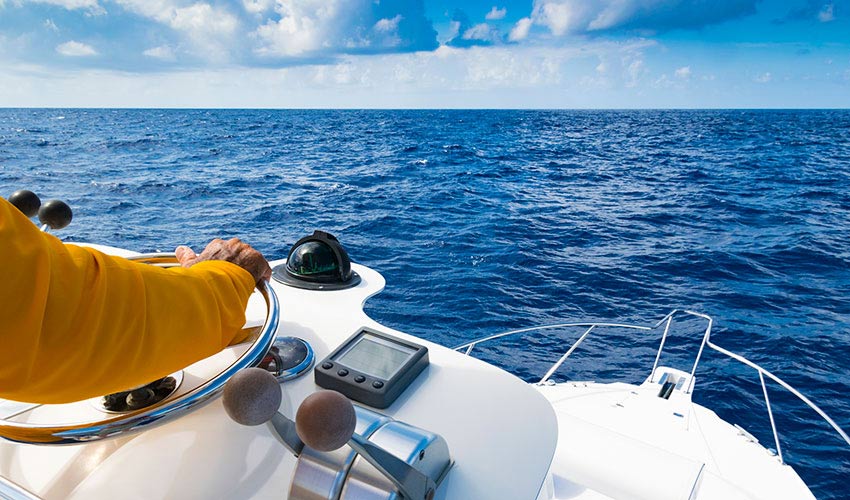
5. Monitor weather broadcasts frequently.
You’ll need all the time you can get if you need to move your vessel, strip sails, derig and anchor.
6. Create and maintain an inventory of all items.
This includes personal belongings you leave on the boat and those you take off. Mark valuable items, so they are easy to find. Consider keeping a video or photographic record of the boat and its contents in a secure location.
7. Keep documents and insurance handy.
Consolidate all records in a safe place, including insurance policies, recent photos of the vessel, boat registration, equipment inventory, and lease agreement with the marina or storage facility.
8. Understand your responsibilities and liabilities.
Check your lease or rental agreement with the marina or storage facility to see what they cover and what you are responsible for.
9. Be cautious after a hurricane has passed.
Electrical wires could be downed but still “hot” because generators may still be operating. There could be stray electrical current from submerged outlets and/or shore cords in the water, damaged vessel systems, etc. Do not enter the water. Check for leaking natural gas and propane by smell only, not with matches or candles. Check dock lines and mooring pendants, and before you get underway, confirm that there are no submerged objects or debris in your path. Contact local authorities to make sure waterways are safe to navigate.
10. Maintain a list of key contacts.
It’s always a good idea to keep a list of key contacts handy that you may need throughout the boating season, such as your marina, emergency towing providers, and your insurance broker.
Insights and expertise
This document is advisory in nature and is offered as a resource to be used together with your professional insurance advisors in maintaining a loss prevention program. It is an overview only, and is not intended as a substitute for consultation with your insurance broker, or for legal, engineering or other professional advice.
Chubb is the marketing name used to refer to subsidiaries of Chubb Limited providing insurance and related services. For a list of these subsidiaries, please visit our website at www.chubb.com. Insurance provided by Chubb Insurance Company of Canada or Chubb Life Insurance Company of Canada (collectively, “Chubb Canada”). All products may not be available in all provinces or territories. This communication contains product summaries only. Coverage is subject to the language of the policies as actually issued.