
Hurricane watch vs warning — The alerts and how to be prepared

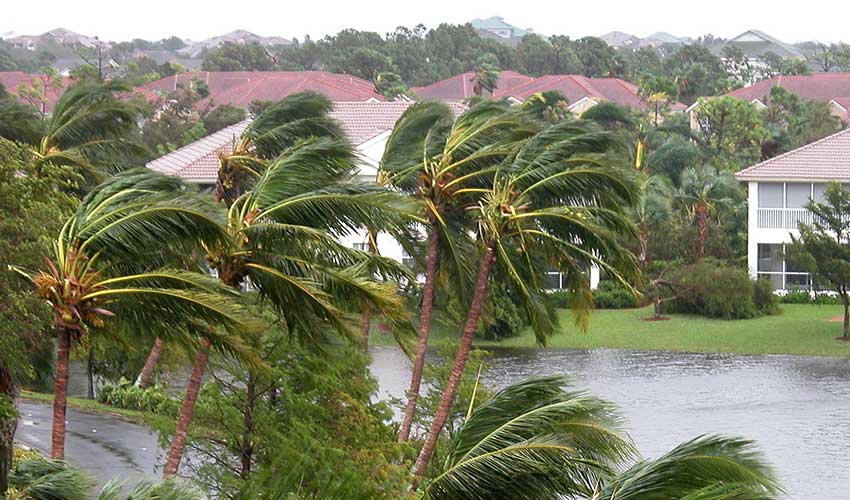
Many would recognize that high-pitched “beep…beep” that draws your attention as it interrupts your favorite television program, or even that vibration coming from a nearby smart device, both of which are then followed by a severe weather alert indicating a storm watch or warning is in place for your location. These alerts are designed to capture your attention and are of particular importance if you live in an area prone to hurricanes and tropical storms. Understanding hurricane alerts, as well as possible storm surge threats that can accompany them, can be critical to help prepare you when in the path of such a storm.
What is the difference between a hurricane watch and a hurricane warning?
A hurricane watch is typically issued 48 hours in advance of potential hurricane force winds, which hold sustained speeds of 74 mph and higher.
A hurricane warning signals that hurricane conditions are expected in the area and is typically issued 36 hours in advance of the predicted hurricane force winds. Both are alarming and present the need to be prepared.
Many times, the area under alert is larger than the locations most likely to be impacted. This is done intentionally to inform a wider range of people, as the precise path and severity of a storm can be difficult to predict. In addition, these alerts may be issued in communities outside of the expected direct line of impact to notify those living in surrounding locations of potential isolation and hazards due to damage or flooding.
What is a storm surge?
Another byproduct and threat of a hurricane is a storm surge. A storm surge occurs when there is an unusual rise of water created by a storm, with a large contributing factor being the high winds pushing the water towards the coastline and farther inland. This puts many homeowners at the risk of destruction from storm surge and flooding, posing the potential for significant property damage and even life-threatening impacts. Storm surge alerts are also issued 48 and 36 hours in advance for watches and warnings, respectively.
With these in mind, it is critical that you follow proper precautions in the event an alert is issued in your area.
Hurricane preparedness list
There are key steps you can take to prepare for your next storm watch or warning weather alert:
Stock up on water, food, and emergency supplies, including medication and first-aid kits. Keep some of these items, along with copies of important documents, in a “go bag” in the event of evacuation.
Consider installing storm shutters or other impact and wind-rated materials for your home’s openings. Talk to local dealers about the best options for protecting your home.
Secure outdoor items, as these could become projectiles in high winds.
Move interior contents away from windows, and close interior doors to help avoid uplift if the structure of the home is compromised.
Turn off utilities, if needed.
Consider having a backup generator installed.
Develop an emergency plan with family members in the event you are directed by authorities to evacuate.
Additional Resources
How to prepare for a hurricane or windstorm
Protect your home from wind and wind-driven rain
Chubb Property Manager Program
This document is advisory in nature and is offered as a resource to be used together with your professional insurance advisors in maintaining a loss prevention program. It is an overview only and is not intended as a substitute for consultation with your insurance broker, or for legal, engineering or other professional advice.
Chubb is the marketing name used to refer to subsidiaries of Chubb Limited providing insurance and related services. For a list of these subsidiaries, please visit our website at chubb.com. Insurance provided by ACE American Insurance Company and its U.S. based Chubb underwriting company affiliates. All products may not be available in all states. This communication contains product summaries only. Coverage is subject to the language of the policies as actually issued. Surplus lines insurance sold only through licensed surplus lines producers. Chubb, 202 Hall's Mill Road, Whitehouse Station, NJ 08889-1600.

Find an Agent
Speak to an independent agent about your insurance needs.